








JUNE 20, 2024|HEALTHCARE
Psychedelic Treatment for PTSD Sees a Setback with FDA Rejection
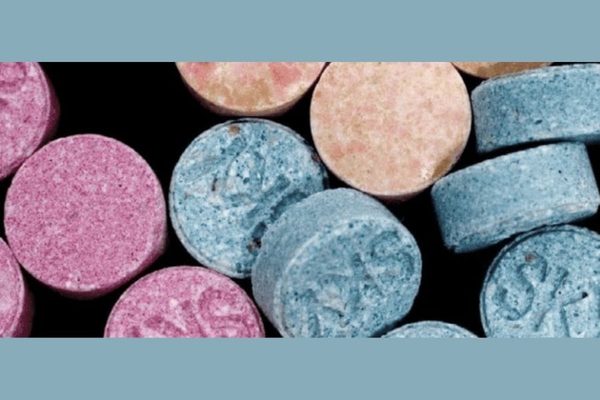
Despite years of promising results with using psychedelic treatments to help people with conditions such as depression or PTSD, the treatment finally saw its day in front of the FDA. It didn't go well. Citing concerns about safety, the FDA rejected the use of psychedelics to treat PTSD.
While the rejection is a serious setback for the promising pace of psychedelic research, the main reason for the rejection is even more interesting. Typically, a drug is tested through a series of controlled blind experiments where patients taking a drug are compared against patients who received a placebo. With psychedelics, this method doesn’t work because anyone who received the behavior altering drug would know it immediately. All of which presents a classic innovation problem. You want to launch a breakthrough idea, but in order to do so you need to prove to stakeholders that it works using an outdated testing method that is impossible to apply accurately.

How could we fix this? The only solution is to rethink how a clinical trial to prove its efficacy could work. Short of doing this, it’s unlikely any psychedelic treatments will get an approval and the research into this promising category of treatment for mental health issues will once again stall, as it did nearly 50 years ago.
Related Posts
Book Rohit To Speak
Want to bring these ideas to your next event?
Rohit turns the thinking behind posts like this one into keynotes for audiences around the world, from Fortune 500 leadership teams to global industry conferences.
Learn More About Speaking
How It All Started
A Short Backstory Of This Blog
This is a blog about non-obvious ideas. Originally launched on the Typepad platform in 2005 as the Influential Marketing blog, the stories at first focused mainly on digital marketing while Rohit worked at Ogilvy Advertising. In 2015 Rohit officially rebranded to the Non-Obvious Insights Blog and published his WSJ bestseller Non-Obvious. For the past twenty one years, this blog has coined new terms, introduced future marketing practices and inspired the next generation of non-obvious thinkers and marketers.