





JANUARY 4, 2022|RESTAURANT & HOSPITALITY
Research Shows People Hate Tipping Before They Are Served
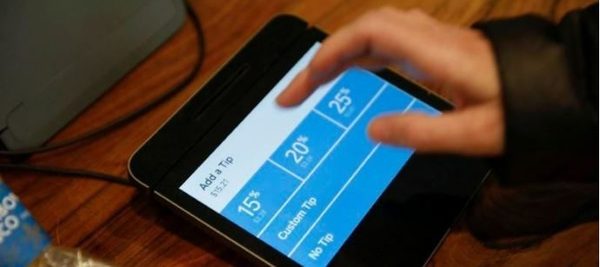
You order a coffee, insert your card or tap your phone to pay ... and then you get the blue screen asking you to add a tip. What button do you press? Do you owe a tip to the server who scans your purchase, delivering the bare minimum of “service”?
A team of researchers decided to explore this “pre-tipping” scenario on point of sale kiosks to uncover whether consumers would be likely to tip higher or lower when asked to leave a tip upfront before any service had been delivered. What did they learn? After studying 7300+ transactions at a smoothie chain, they found that “tips were 75% higher on average at the location that asked for them only after people received their smoothie [because] participants viewed pre-service tip requests as unfair and manipulative.”
The entire study strikes me as a perfect example of what my former colleague Rory Sutherland warns about in his article on the dangers of letting data blind you to the obvious. I am sure there is compelling data for store owners that quantifies the upside of pre-tipping. Yet the research points to a human truth that should be obvious: people don't feel good about rewarding someone for a service they haven't yet received.
Related Posts
Book Rohit To Speak
Want to bring these ideas to your next event?
Rohit turns the thinking behind posts like this one into keynotes for audiences around the world, from Fortune 500 leadership teams to global industry conferences.
Learn More About Speaking
How It All Started
A Short Backstory Of This Blog
This is a blog about non-obvious ideas. Originally launched on the Typepad platform in 2005 as the Influential Marketing blog, the stories at first focused mainly on digital marketing while Rohit worked at Ogilvy Advertising. In 2015 Rohit officially rebranded to the Non-Obvious Insights Blog and published his WSJ bestseller Non-Obvious. For the past twenty one years, this blog has coined new terms, introduced future marketing practices and inspired the next generation of non-obvious thinkers and marketers.