







OCTOBER 19, 2009|BRANDS & MARKETING
Rural Audiences Say Size (Of Packaging) Matters
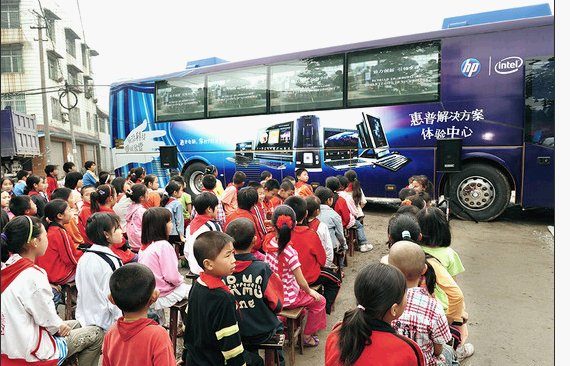 There was an interesting story recently in the Wall Street Journal talking about how computer manufacturers are heavily pushing into rural parts of China to convince more customers outside of major metropolitan areas to buy and start using computers. One particular campaign from Lenovo* uses a slogan featured in the WSJ piece of "Buy A Lenovo PC, Be A Happy Bride." As one of the regional marketing managers from Lenovo notes:
"They [people in rural China] like to give desktop PCs because the boxes are large. They deliver the computers to brides' families on trucks, which everyone can see. In these cases, the bigger the box, the better."If you were marketing PCs to an audience like this, you might be tempted to talk about product features, such as power management built in so that the computer won't get fried by variable currents and electricity spikes (a common occurrence in most rural areas around the world). You could focus on special software for trade industry groups such as farmers that could increase efficiency of what they are already doing. You might even focus on the packaging in terms of how it brings the brand to life and potentially creates an emotional response for a buyer.
What would it take, however, for you to focus on size? When it comes to the rural market - size is important for two big reasons:
- Size can be equated with importance. As the PC and wedding gift example shows, the size of the packaging and overal gift is what will be viewed by the recipient (and those watching) as important. With this, it becomes critical to make sure your packaging carries through on the experience you are trying to create.
- Micropackaging makes consumable goods affordable. When it comes to those rural and low-income customers, one of the challenges for them is to continually afford some of the more basic consumable goods necessities such as toothpaste and shampoo. More and more large retailers such as Unilever and P&G are offering their products in "single serving" style packaging where customers can just buy a week's (or even a day's) worth of products at a more affordable price.
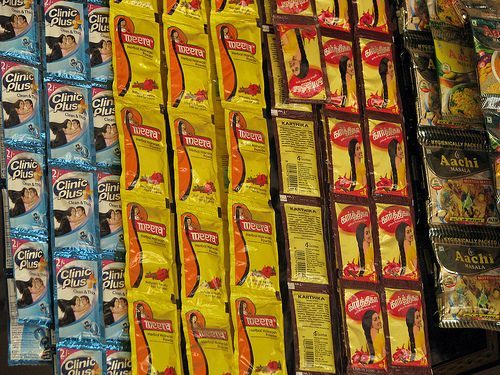
Flickr Photo Credit: MckaySavage
The most interesting thing about these points, however, is that they don't just apply to rural audiences. Soft drinks are now sold in half cans to avoid wastage. Bulk shopping stores like Costco and Sam's Club take the opposite approach to micropackaging by packaging huge quantities of everything from food to toilet paper together. The lesson this all points towards is that sometimes the most important thing you can do is to focus not just on what you are selling, but also the packaging that you are selling it in.
*Full Disclosure: Lenovo is a past and current client of Ogilvy PR and I have worked on projects for them in the past - but have had no involvement in the campaign mentioned in this post or in their marketing activities to rural China.
Related Posts
Book Rohit To Speak
Want to bring these ideas to your next event?
Rohit turns the thinking behind posts like this one into keynotes for audiences around the world, from Fortune 500 leadership teams to global industry conferences.
Learn More About Speaking
How It All Started
A Short Backstory Of This Blog
This is a blog about non-obvious ideas. Originally launched on the Typepad platform in 2005 as the Influential Marketing blog, the stories at first focused mainly on digital marketing while Rohit worked at Ogilvy Advertising. In 2015 Rohit officially rebranded to the Non-Obvious Insights Blog and published his WSJ bestseller Non-Obvious. For the past twenty one years, this blog has coined new terms, introduced future marketing practices and inspired the next generation of non-obvious thinkers and marketers.