








JUNE 4, 2026|EDUCATION & LEARNING
The Accidental Truth About College (from Jensen Huang)
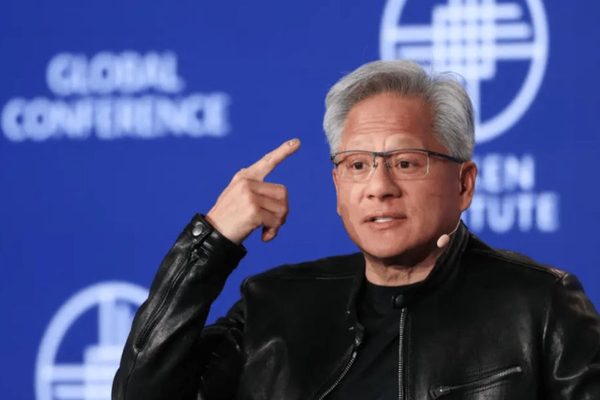
What's the best thing to study for the future? As we continue through graduation season, it's a relevant question for us all to think about - whether we are far away from our college years, have never attended one or are just graduating now. In a recent talk from Nvidia CEO Jensen Huang, a point he shared which started getting attention suggested that it doesn't really matter what kids study in the AI era as long as it helps them build their storytelling, creativity and judgement. The subtext that he doesn't say is that the fields of study that arguably help build those skills most are exactly the same ones that often students are told to avoid because of the flawed belief that they don't teach the sort of hard skills required to enter the workforce.
Philosophy, Linguists, English, Religion - these are all courses of study that were discounted and minimized for years. And it is true that graduating with a degree in any of these may have made it more difficult for you to get that first job out of college. As the thinking always went, what kind of employer hires a philosophy major? In five years, the longtime answer to that question may change.

The most valuable commodity in a future team member may be their capacity to think differently, adapt to change, and communicate clearly with the people (and machines) around them. As enrollment in computer science degrees continues to nosedive year after year, perhaps more students are discovering this new "golden ticket" for themselves. When AI can code anything you want, the most valuable skill anyone can have is knowing what to ask it to build in the first place.
Related Posts
Book Rohit To Speak
Want to bring these ideas to your next event?
Rohit turns the thinking behind posts like this one into keynotes for audiences around the world, from Fortune 500 leadership teams to global industry conferences.
Learn More About Speaking
How It All Started
A Short Backstory Of This Blog
This is a blog about non-obvious ideas. Originally launched on the Typepad platform in 2005 as the Influential Marketing blog, the stories at first focused mainly on digital marketing while Rohit worked at Ogilvy Advertising. In 2015 Rohit officially rebranded to the Non-Obvious Insights Blog and published his WSJ bestseller Non-Obvious. For the past twenty one years, this blog has coined new terms, introduced future marketing practices and inspired the next generation of non-obvious thinkers and marketers.