








DECEMBER 12, 2023|ENVIRONMENT + SUSTAINABILITY
The Minus Chair Saves the Earth by Cutting Down More Trees?
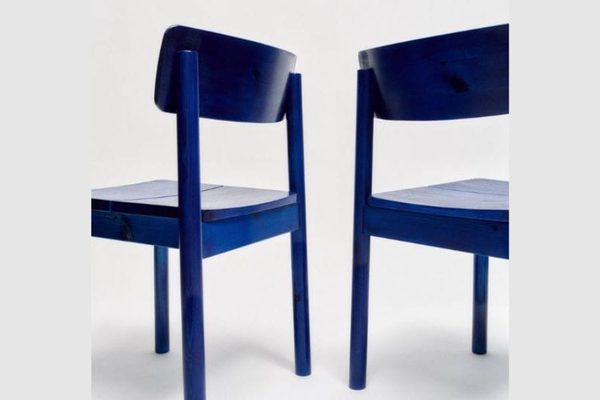
What if you could design furniture that captures more carbon than it emits? That's the vision behind the Minus Chair, a design award winning new product from Norwegian brand Minus that is rethinking furniture design and selling. Trees only absorb carbon as they grow to maturity. After that, as they deteriorate, they release that carbon back into the atmosphere. So, as Minus has discovered, if you could cut down a tree at the right moment you will trap all that carbon inside the wood for the rest of its life.
Beyond rethinking how materials are sourced, Minus is also reinventing their sales model by selling its chairs with a subscription rental service model. Their strategy is to design with "a 100-year perspective." When a chair reaches its end of useful life, they will take the pieces back and turn the wood into a sort of fertilizer that will continue to retain its carbon.
This circular design model is one that Henry and I wrote about in our "Beyond Net Zero" trend from The Future Normal that we believe will gain even more traction in 2024 as more carbon-negative products will offer a net positive impact on the environment with each unit sold.
Rohit speaks on this topic. See his futurist keynote.
Related Posts
Book Rohit To Speak
Want to bring these ideas to your next event?
Rohit turns the thinking behind posts like this one into keynotes for audiences around the world, from Fortune 500 leadership teams to global industry conferences.
Learn More About Speaking
How It All Started
A Short Backstory Of This Blog
This is a blog about non-obvious ideas. Originally launched on the Typepad platform in 2005 as the Influential Marketing blog, the stories at first focused mainly on digital marketing while Rohit worked at Ogilvy Advertising. In 2015 Rohit officially rebranded to the Non-Obvious Insights Blog and published his WSJ bestseller Non-Obvious. For the past twenty one years, this blog has coined new terms, introduced future marketing practices and inspired the next generation of non-obvious thinkers and marketers.