








JUNE 26, 2024|ARTIFICIAL INTELLIGENCE
The Next Generation of Political Polling Is Asking AI to Simulate Human Voters
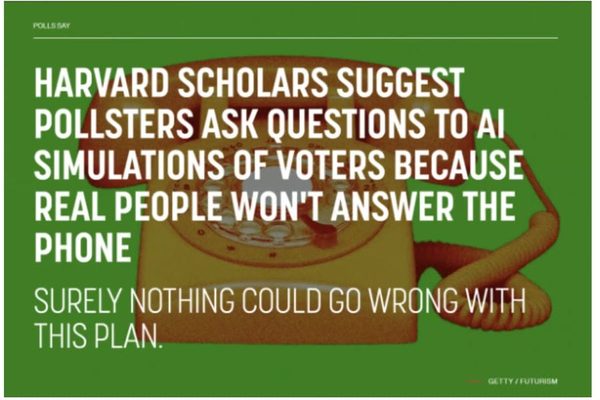
Have you ever picked up the phone to answer a call from a pollster? I can probably guess your answer, and that’s not uncommon. A tiny fraction of people actually answers those calls, which creates a predictably skewed result if political campaigns are truly relying on those calls to generate any useful insight. The modern solution to this that some researchers are advocating is to just have pollsters “call” artificial intelligence simulations of voters instead.
In early testing, these simulations seem to be largely accurate in depicting human responses to open ended questions. Given the notorious unreliability of information from polls already, many are arguing that doing polling this way can hardly be worse. And perhaps it could be even better because pollsters might finally get some insight about how “regular” people think rather than those at the fringes who hold the most radical opinions, or those who happen to have the most free time to answer polling calls in the first place.
Related Posts
Book Rohit To Speak
Want to bring these ideas to your next event?
Rohit turns the thinking behind posts like this one into keynotes for audiences around the world, from Fortune 500 leadership teams to global industry conferences.
Learn More About Speaking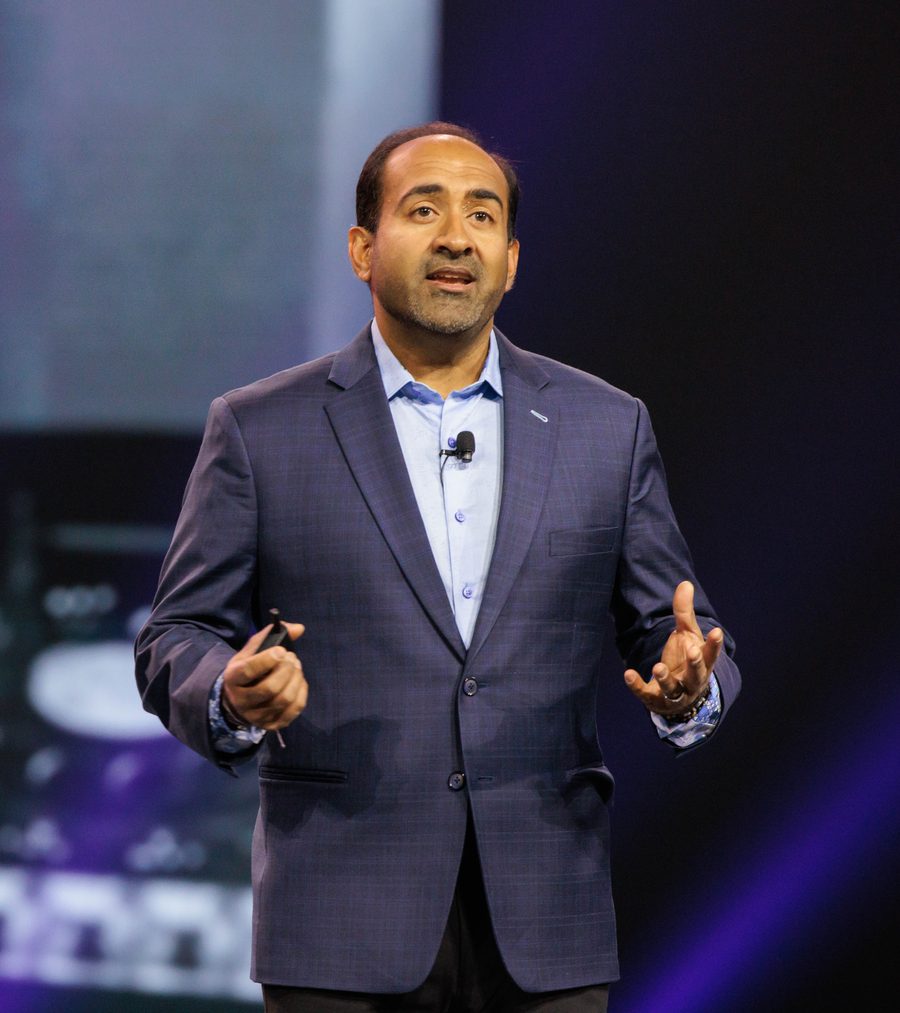
How It All Started
A Short Backstory Of This Blog
This is a blog about non-obvious ideas. Originally launched on the Typepad platform in 2005 as the Influential Marketing blog, the stories at first focused mainly on digital marketing while Rohit worked at Ogilvy Advertising. In 2015 Rohit officially rebranded to the Non-Obvious Insights Blog and published his WSJ bestseller Non-Obvious. For the past twenty one years, this blog has coined new terms, introduced future marketing practices and inspired the next generation of non-obvious thinkers and marketers.