








MAY 23, 2025|BRANDS & MARKETING
Useless Rebranding and the Underappreciated Marketing Strategy of Doing Nothing
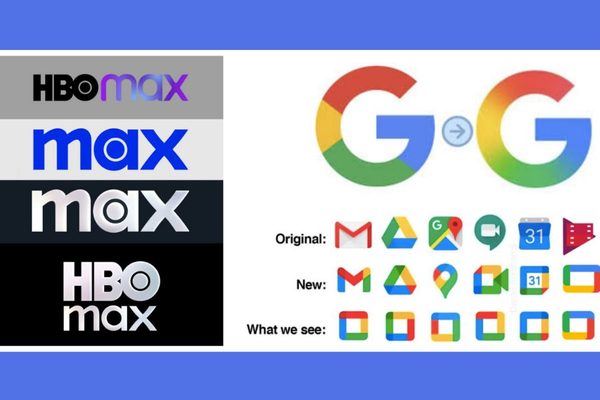
HBO rebranded to HBO Max, and then to Max ... and now back to HBO Max. Meanwhile Google is losing their longstanding "I'm Feeling Lucky" button and once again rainbow-izing their entire logo suite to make them even more indistinguishable from one another. Watching these ill-advised branding moves is enough to make anyone wonder why marketing teams need to spend so much time, money and creative energy unnecessarily reinventing things. There are, of course, examples of brilliant rebranding like what the team at Poppi did on the way to sell to PepsiCo for nearly $2B.
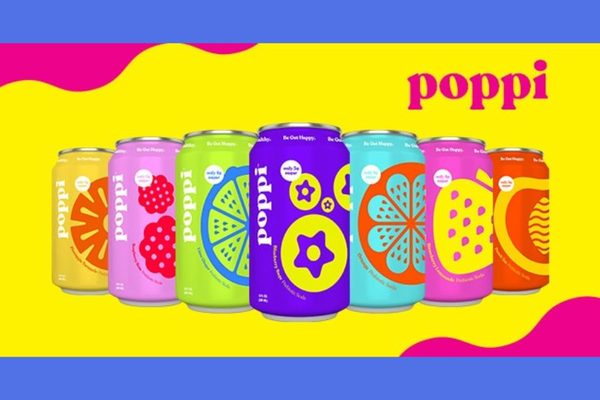
Unfortunately, for every win like that there are dozens (at least!) more examples of brands abandoning their equity, implementing new branding efforts and then quickly backtracking when they experience predictable backlash and failure. You may be thinking this is the intention in the first place. If you can manufacture some backlash and outrage, surely that’s a good thing to make a brand relevant again right? Wrong.
The real challenge for marketing leadership, it seems, is having the discipline and vision to do nothing. The best marketing strategy might be to stop trying to fix something that was never broken to begin with.
Rohit speaks on this topic. See his marketing keynote.
Related Posts
Book Rohit To Speak
Want to bring these ideas to your next event?
Rohit turns the thinking behind posts like this one into keynotes for audiences around the world, from Fortune 500 leadership teams to global industry conferences.
Learn More About Speaking
How It All Started
A Short Backstory Of This Blog
This is a blog about non-obvious ideas. Originally launched on the Typepad platform in 2005 as the Influential Marketing blog, the stories at first focused mainly on digital marketing while Rohit worked at Ogilvy Advertising. In 2015 Rohit officially rebranded to the Non-Obvious Insights Blog and published his WSJ bestseller Non-Obvious. For the past twenty one years, this blog has coined new terms, introduced future marketing practices and inspired the next generation of non-obvious thinkers and marketers.