







FEBRUARY 25, 2022|TECHNOLOGY & SOFTWARE
What If We Could Force Politicians To Watch Dystopian Sci-Fi?
It's the nightmare scenario of any early technology adopter. A company called Second Sight was once creating and implanting so-called "bionic eyes" to help near-blind patients to see the world. Now the company is going under, their software is obsolete and those patients are in danger of going blind from their now unsupported bionic eyes. The story isn't science fiction, though it certainly could be.
The work of Chinese architect Quin Wu is fiction, though a series of dystopian images he released seem eerily plausible. Whether works of art, or dystopian fears becoming reality, what makes them so powerful and memorable is that they are all stories.
Fact or fiction, these stories shift perspectives. In a world where tech-illiterate politicians routinely struggle to grasp the implications of technology, perhaps dystopian science fiction is the answer. If fiction can help legislators imagine the future we don't want, they could more effectively pass legislation to try and prevent that future from happening in the first place.
Related Posts
Book Rohit To Speak
Want to bring these ideas to your next event?
Rohit turns the thinking behind posts like this one into keynotes for audiences around the world, from Fortune 500 leadership teams to global industry conferences.
Learn More About Speaking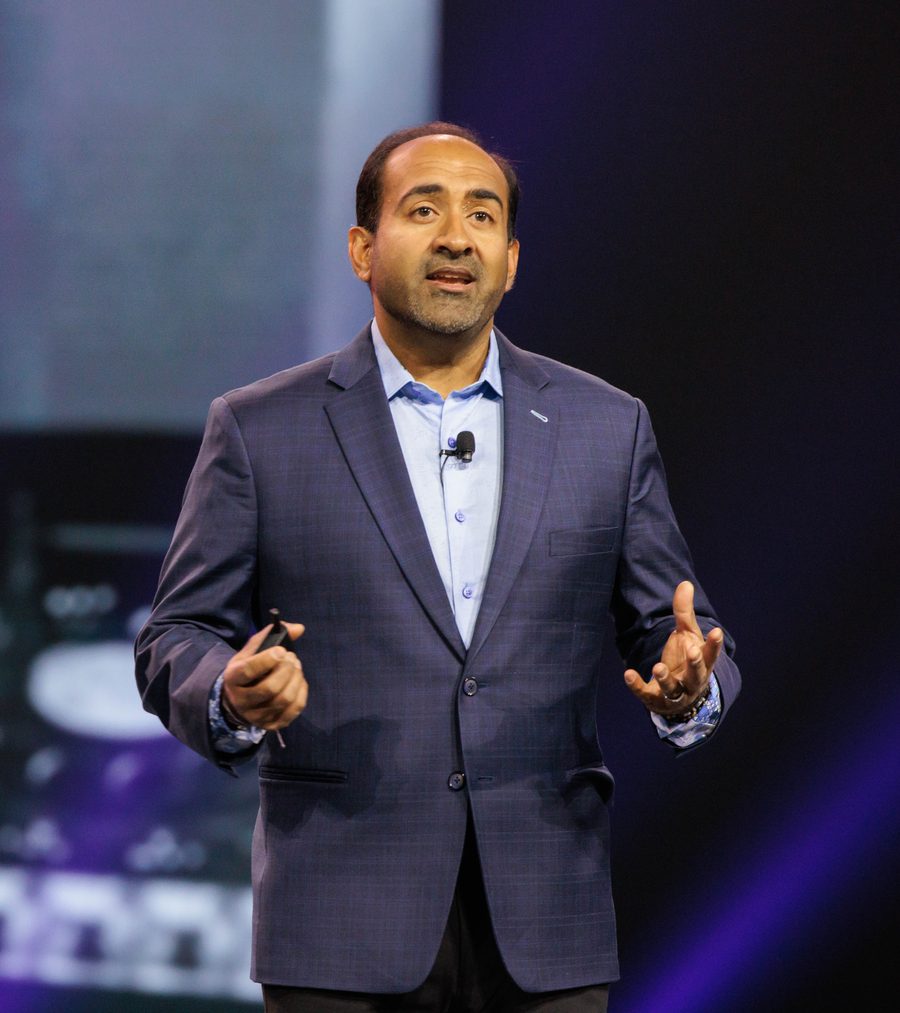
How It All Started
A Short Backstory Of This Blog
This is a blog about non-obvious ideas. Originally launched on the Typepad platform in 2005 as the Influential Marketing blog, the stories at first focused mainly on digital marketing while Rohit worked at Ogilvy Advertising. In 2015 Rohit officially rebranded to the Non-Obvious Insights Blog and published his WSJ bestseller Non-Obvious. For the past twenty one years, this blog has coined new terms, introduced future marketing practices and inspired the next generation of non-obvious thinkers and marketers.