






JANUARY 17, 2011|TECHNOLOGY & SOFTWARE
What Samsung (And Others) Learned From Apple That Will Change Our Future
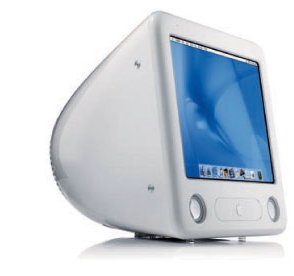 In 2001 Apple launched what would be one of the most iconic products of the 21st century's first decade. The iPod changed music and consumer electronics - but it also led to one of the most counterintuitive marketing strategies of the modern age as well. As the iPod grew in popularity, Apple began to sell $1000 computers as accessories for a $200 gadget. The ecosystem of the iTunes store and the ability to manage your music easily and seamlessly with your iPod started a revolution that led millions to consider (or reconsider) getting a Mac as their primary home computer. By locking customers into their ecosystem (and shutting other brands out) - Apple grew using a basic strategy of cross-selling to get customers to buy multiple devices and making sure that they all worked easily together.
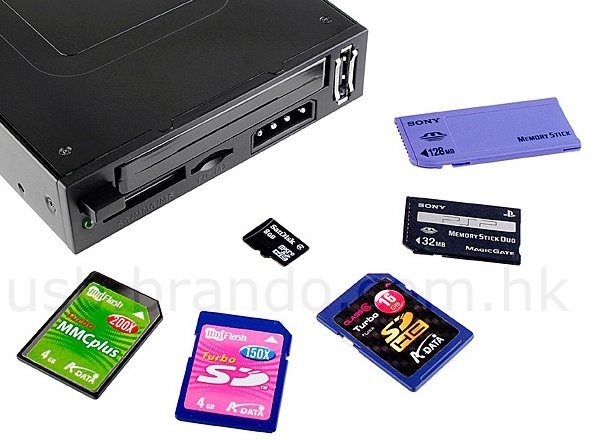 Aside from a few minor examples like synched remote controls between televisions and DVD players or shared external memory card platforms (like SD or Sony's MemoryStick), the rest of the consumer electronics industry was very slow to realize the value of this strategy. As a result - buying gadgets became a very individualized experience. It simply didn't matter that much whether you stuck with one brand for all your gadgets or not. If there was one theme to emerge clearly from CES this year, it is that those days are over.
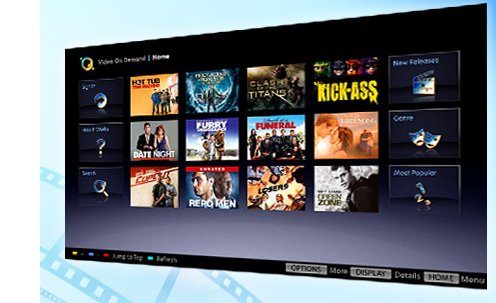 Nearly every manufacturer of large scale consumer products is investing in the value of selling an ecosystem instead of a single product. LG, Sony and SHARP all have launched their own App stores for mobile devices and (now) smart connected televisions as well. The early leader, Sony's Qriocity, features a large content archive and integrates both music and video together. LG's smart home appliances can be accessed through multiple other devices.
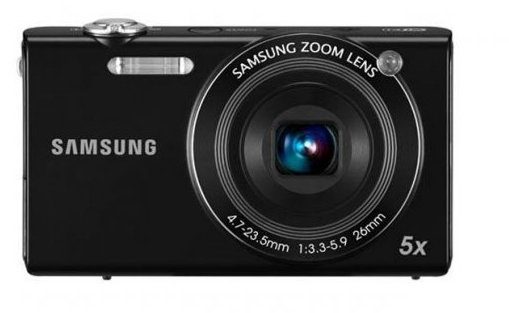 Samsung's latest wirelessly enabled digital camera, called the Samsung SH100 can also be synchronized with the Samsung Galaxy smartphone and then operated remotely by the phone as a remote control. The vision for more and more of these products is to make them work together at the touch of a button and finally demonstrate a real value for consumers to motivate them to choose to stay with a single brand for multiple purchases.
This is the locked in world we are headed for - where brand name will do more than just reinforce consumer confidence in the product. The brand will be the ecosystem that consumers buy into, just as they have for years with Apple. Most likely it will work for consumer electronics, and we are already seeing other industry segments start to follow. Financial services organizations want to lock you into banking, credit cards and mortgages. GE wants your home lighting and security to work with your home appliances.
In this new future, the brand you choose will determine the products you consider buying. The barrier to switch will be the inconvenience of having a device that no longer fits the ecosystem of your life.
Related Posts
Book Rohit To Speak
Want to bring these ideas to your next event?
Rohit turns the thinking behind posts like this one into keynotes for audiences around the world, from Fortune 500 leadership teams to global industry conferences.
Learn More About Speaking
How It All Started
A Short Backstory Of This Blog
This is a blog about non-obvious ideas. Originally launched on the Typepad platform in 2005 as the Influential Marketing blog, the stories at first focused mainly on digital marketing while Rohit worked at Ogilvy Advertising. In 2015 Rohit officially rebranded to the Non-Obvious Insights Blog and published his WSJ bestseller Non-Obvious. For the past twenty one years, this blog has coined new terms, introduced future marketing practices and inspired the next generation of non-obvious thinkers and marketers.