








SEPTEMBER 4, 2024|RETAIL & ECOMMERCE
Why Branded Reselling Platforms That Allow Customers to Sell Old Products to Each Other May Be Better Than Ebay
Sustainability-first brands like Patagonia have taken their commitment to reuse to the furthest extreme by creating an entire ecommerce experience dedicated to allowing their customers to sell used products to one another. When the Worn Wear platform came out in 2020, the brand was criticized for their crazy idea of inviting their customers to keep their products for longer and resell them or buy used products instead of new ones. Now many other fashion retailers have similar platforms as this has become a trend across retail.

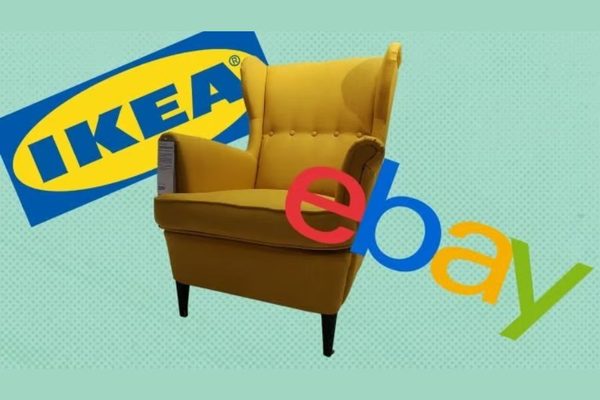
This week IKEA announced a similar idea they will be testing in a few European markets to create their own online store to allow customers to sell IKEA furniture to one another. I anticipate it will be hugely popular and hopefully come to other markets later this year. In the process, it may help this reselling trend catch on for brands in even more categories. Imagine being able to resell toys, or electronics or other home goods this way. You’re probably thinking we already have a way to do that with eBay or Craigslist, right?
Having the original manufacturer do it could offer some fascinating benefits, though. Imagine reselling a LEGO set where someone could buy it used and LEGO could separately send them a handful of pieces that might be missing so the set would be complete and a PDF of the instructions to build it. Or you could resell a webcam without accessories, and they would be added automatically for the buyer. There are many practical reasons, such as missing parts, why perfectly good items end up thrown away or in storage. This is one problem branded reselling platforms could solve perfectly.
Rohit speaks on this topic. See his futurist keynote.
Related Posts
Book Rohit To Speak
Want to bring these ideas to your next event?
Rohit turns the thinking behind posts like this one into keynotes for audiences around the world, from Fortune 500 leadership teams to global industry conferences.
Learn More About Speaking
How It All Started
A Short Backstory Of This Blog
This is a blog about non-obvious ideas. Originally launched on the Typepad platform in 2005 as the Influential Marketing blog, the stories at first focused mainly on digital marketing while Rohit worked at Ogilvy Advertising. In 2015 Rohit officially rebranded to the Non-Obvious Insights Blog and published his WSJ bestseller Non-Obvious. For the past twenty one years, this blog has coined new terms, introduced future marketing practices and inspired the next generation of non-obvious thinkers and marketers.