







SEPTEMBER 5, 2024|BRANDS & MARKETING
Why I Paid Human Musicians + Artists to Create the Sonic Identity for My Podcast
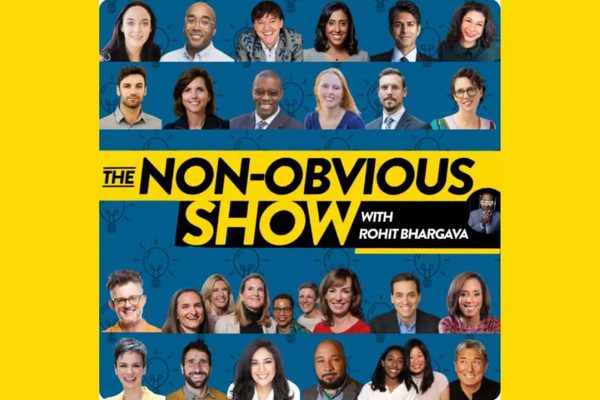
Earlier this week I posted on LinkedIn about a project that my team and I have been working on for nearly a year. During the pandemic, I created a video show which many of you watched. After a smart suggestion (and fair criticism) from Chhavi about how two heads talking wasn’t really compelling on video … I decided to invest in turning the show into an audio podcast. The audio for episodes would need to be remastered, the quality improved and the format changed.
In addition, I knew I wanted a distinctive sound identity for the show including music, narration to voice the intro and a well edited conversation flow. All of this could be done with AI and as someone who writes about the future … using tech would have been the natural choice. Instead, I chose to hire human experts. I brought in a studio to record custom music. I found a former broadcast journalist to do the voice over and enlisted a sound engineer to remaster the audio.
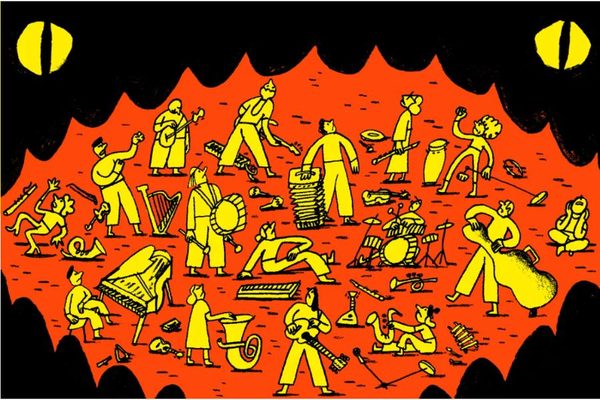
Last week Vox published an in depth article about the future of music and AI. The big question was the one on everyone’s mind: what if AI replaces people?
The question is one I have been thinking about recently too in relation to my own experience. Why didn’t I just turn to AI to do it all? I believe in hiring and paying creative professionals for high quality work, so that’s one reason. But the other truth is that we did actually use AI … or rather, the professionals that I hired used it. That’s the message we don’t hear often enough. AI isn’t always an alternative to creative professionals. Sometimes it’s a tool that can help them deliver better work faster because they understand the one thing that most of the rest of us struggle with … when to use AI and when to put it aside.
Related Posts
Book Rohit To Speak
Want to bring these ideas to your next event?
Rohit turns the thinking behind posts like this one into keynotes for audiences around the world, from Fortune 500 leadership teams to global industry conferences.
Learn More About Speaking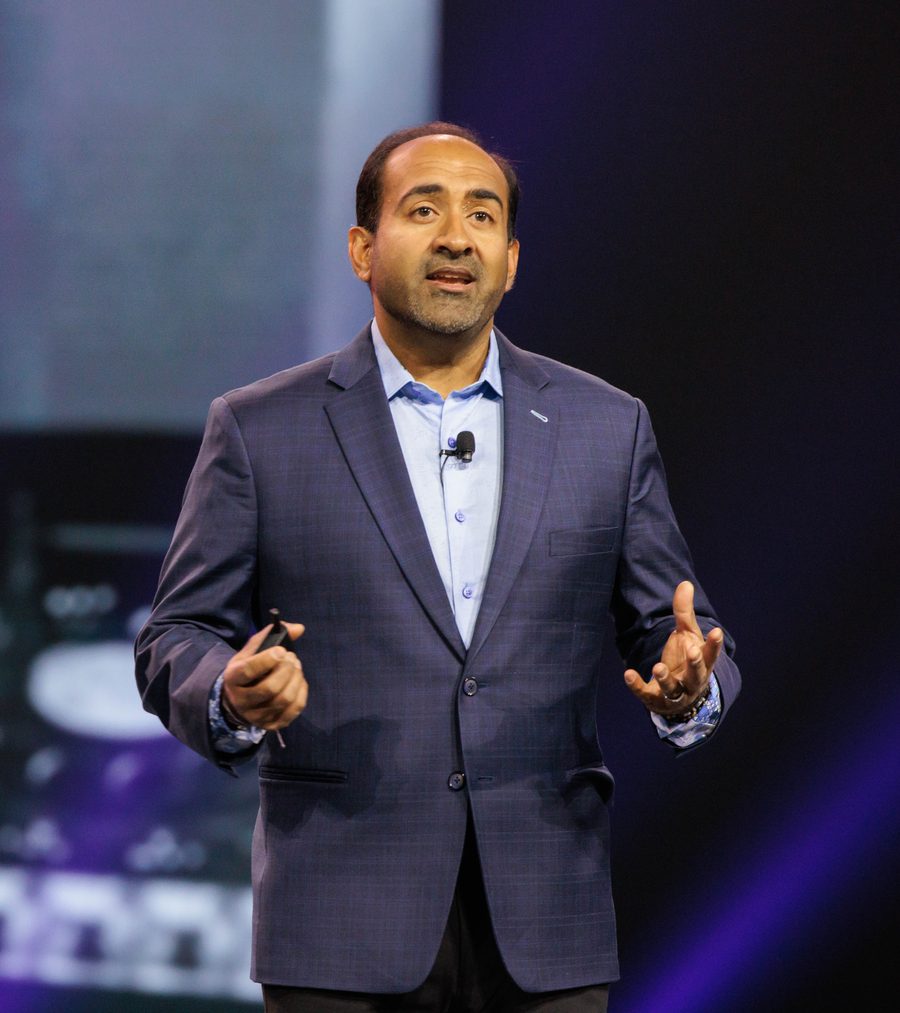
How It All Started
A Short Backstory Of This Blog
This is a blog about non-obvious ideas. Originally launched on the Typepad platform in 2005 as the Influential Marketing blog, the stories at first focused mainly on digital marketing while Rohit worked at Ogilvy Advertising. In 2015 Rohit officially rebranded to the Non-Obvious Insights Blog and published his WSJ bestseller Non-Obvious. For the past twenty one years, this blog has coined new terms, introduced future marketing practices and inspired the next generation of non-obvious thinkers and marketers.