








JUNE 6, 2024|ENTERTAINMENT & HOLLYWOOD
Why People Become Gamers ... And How It’s Changing
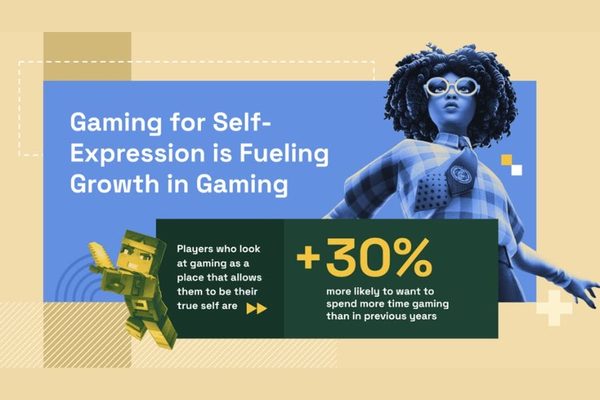
Fandom recently released the latest edition of their annual Inside Gaming Report where they survey 5,000 "entertainment and gaming fans globally." The data this year found that the top reason that people play games continues to be to unwind or relieve stress, followed closely by a more surprising motivation: self-expression.
Nearly 50% of the gamers surveyed suggested that "creation, imagination, and self-expression" were their main motivations for gaming, a rise of 10% since 2023. While some of this rise may be attributed to a bias in who is participating in the survey (not to mention the motivations of the platform behind it), these two data points offer a valuable perspective on why gaming matters.
Games offer an escape, and as they get more sophisticated, more people will invest time and money in crafting their online identity as well as look to find ways to bridge the gap between their online selves and their selves in the real world. Over time, these digital identities will continue to be a greater part of us and also bring some real-world implications for products and services that can help us bring these various identities together.
Read highlights from the study »
Related Posts
Book Rohit To Speak
Want to bring these ideas to your next event?
Rohit turns the thinking behind posts like this one into keynotes for audiences around the world, from Fortune 500 leadership teams to global industry conferences.
Learn More About Speaking
How It All Started
A Short Backstory Of This Blog
This is a blog about non-obvious ideas. Originally launched on the Typepad platform in 2005 as the Influential Marketing blog, the stories at first focused mainly on digital marketing while Rohit worked at Ogilvy Advertising. In 2015 Rohit officially rebranded to the Non-Obvious Insights Blog and published his WSJ bestseller Non-Obvious. For the past twenty one years, this blog has coined new terms, introduced future marketing practices and inspired the next generation of non-obvious thinkers and marketers.