







DECEMBER 1, 2019|ARTIFICIAL INTELLIGENCE
Why Scientists (And The Rest Of Us) Need Robots To Fear Their Own Death
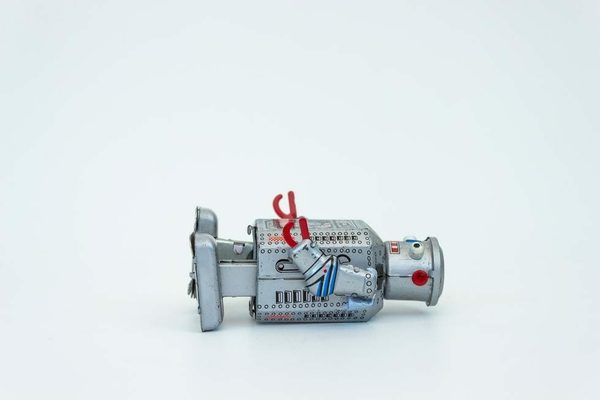
Every week this theme of how to make technology more human seems to resurface in a slightly different way. Last week, a story about some new research from legendary neurologist and author Antonio Damasio caught my eye with an unusual thesis: robots could be more resilient and valuable to humanity if they had a sense of self-preservation. It's a dangerously elegant idea.
Since the central plot device of any dystopian science fiction narrative that features artificial intelligence taking over our world is that it will inevitably come to the same conclusion: our planet and environment is undeniably safer, healthier and likely better without humans polluting it. So the only logical conclusion for AI would be to eliminate us humans. Unless we build that technology with a deep understanding of our (and its own) mortality.
We need the robots to have empathy, in other words, because it could be catastrophically worse for everyone in the future if they don't.
Related Posts
Book Rohit To Speak
Want to bring these ideas to your next event?
Rohit turns the thinking behind posts like this one into keynotes for audiences around the world, from Fortune 500 leadership teams to global industry conferences.
Learn More About Speaking
How It All Started
A Short Backstory Of This Blog
This is a blog about non-obvious ideas. Originally launched on the Typepad platform in 2005 as the Influential Marketing blog, the stories at first focused mainly on digital marketing while Rohit worked at Ogilvy Advertising. In 2015 Rohit officially rebranded to the Non-Obvious Insights Blog and published his WSJ bestseller Non-Obvious. For the past twenty one years, this blog has coined new terms, introduced future marketing practices and inspired the next generation of non-obvious thinkers and marketers.