








AUGUST 22, 2023|RETAIL & ECOMMERCE
Why The Solutions To Organized Retail Theft May Make Things Worse
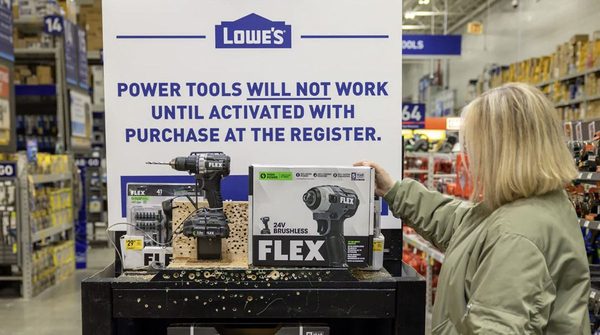
Retailer Dick's Sporting Goods recently reported below expected quarterly earnings and blamed it on a surprising reason: extremely high theft. While theft in retail is such a commonplace occurrence that it has its own term ("shrinkage") to describe it, whether theft is actually increasing isn't quite so clear cut. Are more customers or employees actually stealing? Or are retailers using this as a convenient excuse when they have difficult to explain gaps in profitability?
The truth may involve a little of both, but for a problem that the National Retail Federation estimates might cost retailers over $90 billion a year, there are clear financial incentives for the industry to find a solution anywhere they can. It is already leading to examples like Lowe's Project Unlock program designed to discourage organized crime by using RFID chips embedded in electronic tools to make the devices inoperable until they are activated.
While that is a solution that affects all people equally, there are some initiatives that have more potential for bias, as retailers aim to utilize facial recognition cameras, AI-powered video surveillance, autonomous security robots and predictive analytic software. The likelihood of bias being built into all these systems is high, as are the risks. But with this much money at stake, the development of these technologies will likely charge ahead.
Related Posts
Book Rohit To Speak
Want to bring these ideas to your next event?
Rohit turns the thinking behind posts like this one into keynotes for audiences around the world, from Fortune 500 leadership teams to global industry conferences.
Learn More About Speaking
How It All Started
A Short Backstory Of This Blog
This is a blog about non-obvious ideas. Originally launched on the Typepad platform in 2005 as the Influential Marketing blog, the stories at first focused mainly on digital marketing while Rohit worked at Ogilvy Advertising. In 2015 Rohit officially rebranded to the Non-Obvious Insights Blog and published his WSJ bestseller Non-Obvious. For the past twenty one years, this blog has coined new terms, introduced future marketing practices and inspired the next generation of non-obvious thinkers and marketers.