





NOVEMBER 26, 2025|TRENDS & CULTURE
Why Young People Have Nostalgia for a Time Before They Were Born
Here's an oxymoron for you: people are using AI generated images to evoke the nostalgia of the 90s—the last human decade without ubiquitous technology. This idea fits into the growing sense that 1997 may have been the year that culture peaked. The growing appreciation for everything retro is driving an aftermarket boom in the value of nostalgic products from the nineties. It's also leading people to seek out more retro experiences where they can live and interact in a way reminiscent of a "simpler" time without AI or cell phones.
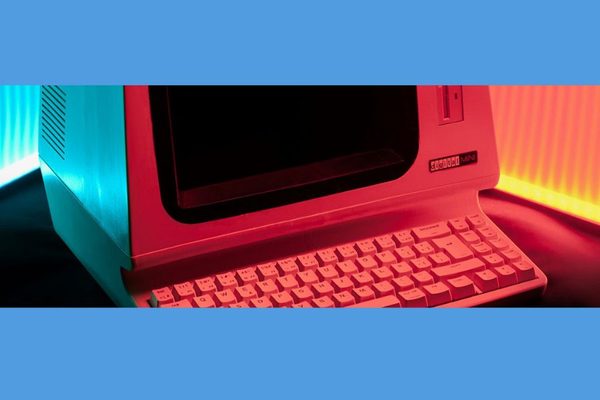
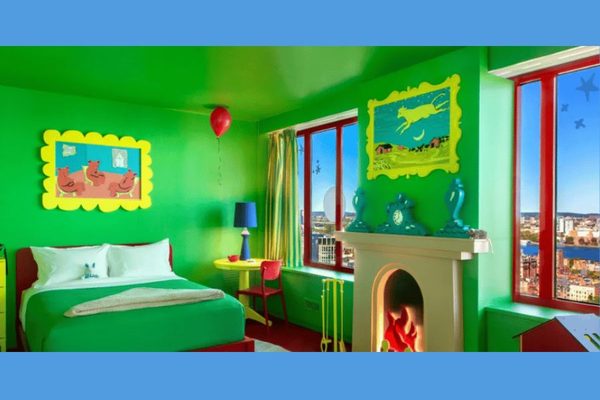
Examples of these types of experiences come up in my newsfeed every week - like this one where the Boston Sheraton hotel created a Goodnight Moon-Themed Suite (available through Feb 2026). The irony, of course, is that my own Gen Z kids can simultaneously make fun of me for being old while wearing a "Rage Against the Machine" sweatshirt without any idea of the epic backstory behind the band. But that's the thing about modern nostalgia in 2025 ... it's not inspired by a longing to relive an experience from their own past.
Instead, it's about recreating an offline moment that they have only ever heard about in stories and are unlikely to experience in their lifetimes any other way.
Rohit speaks on this topic. See his futurist keynote.
Related Posts
Book Rohit To Speak
Want to bring these ideas to your next event?
Rohit turns the thinking behind posts like this one into keynotes for audiences around the world, from Fortune 500 leadership teams to global industry conferences.
Learn More About Speaking
How It All Started
A Short Backstory Of This Blog
This is a blog about non-obvious ideas. Originally launched on the Typepad platform in 2005 as the Influential Marketing blog, the stories at first focused mainly on digital marketing while Rohit worked at Ogilvy Advertising. In 2015 Rohit officially rebranded to the Non-Obvious Insights Blog and published his WSJ bestseller Non-Obvious. For the past twenty one years, this blog has coined new terms, introduced future marketing practices and inspired the next generation of non-obvious thinkers and marketers.