





DECEMBER 28, 2005|BRANDS & MARKETING
Are Customers Photoshopping Your Logo?
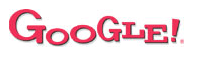 I remember about five or six years ago going through Coke's brand guidelines for agencies in preparation for a project we were about to design for them. It was a nearly 50 page document with details about everything from pantone colors, to reverse out instructions to where to place the trademark symbol in relation to the logo in millimeters. And Coke was not unique, every company had their brand guidelines, with similarly specific details that every design team had to follow. After all, a key element of branding always was consistency. Today you have brands like Google and Yahoo that are willing to play with their logos, customize them around events like the Olympics and for many other reasons. Brands and trademarks are no longer sacred.
But with the ease of grabbing logos off the web and photoshopping them into anything we like, has come an obvious danger to brands. When consumers are able to modify brands and messaging, then there is a potential for miscommunication, bad PR, and even a complete hijack of a brand where consumer generated messages on behalf of a brand are indistinguishable from the real thing. So how are brands to solve this problem? Is it a legal battle to be fought -- or should brands just be more forgiving with their logos and let people use them as they want? The problem with the question is that there is a flawed assumption that this is something corporations can control. They can't.
Logos are online; people will fiddle with them. The strong brands are the ones who isolate the misuses that are causing them perception problems, and tackle them head on. Viagra found that spammers using their logo were damaging the brand's credibility. People thought the email was coming from Pfizer. So initially they worked with Microsoft to place 17 parallel lawsuits against two "international pharmacy spam rings." But more recently they have launched online banner campaigns, radio campaigns and a host of other PR activities focused on distancing themselves from the spammers. Litigation could cost millions and take more than 10 years to result in anything. PR efforts are immediate and cost effective. Ultimately, I believe online logo and corporate identity protection will become a huge PR activity - on a scale far greater than it is today. And with the rise in importance of consumer generated media, perhaps we will even start to account for (and forgive) "illegal" brand and logo uses that ultimately help promote a brand.
Rohit speaks on this topic. See his marketing keynote.
Related Posts
Book Rohit To Speak
Want to bring these ideas to your next event?
Rohit turns the thinking behind posts like this one into keynotes for audiences around the world, from Fortune 500 leadership teams to global industry conferences.
Learn More About Speaking
How It All Started
A Short Backstory Of This Blog
This is a blog about non-obvious ideas. Originally launched on the Typepad platform in 2005 as the Influential Marketing blog, the stories at first focused mainly on digital marketing while Rohit worked at Ogilvy Advertising. In 2015 Rohit officially rebranded to the Non-Obvious Insights Blog and published his WSJ bestseller Non-Obvious. For the past twenty one years, this blog has coined new terms, introduced future marketing practices and inspired the next generation of non-obvious thinkers and marketers.