








APRIL 8, 2024|ENVIRONMENT + SUSTAINABILITY
Harper Collins Identifies Eco-Friendly Fonts to Save Thousands of Trees and Reduce Paper Usage
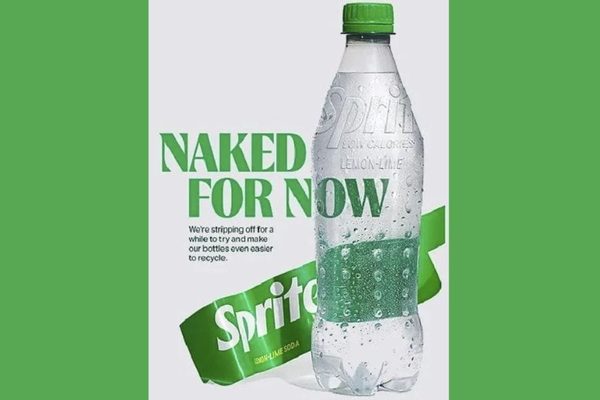
Every few months there are new sustainability stories of the world's largest brands trying to create less wasteful packaging. Coca-Cola announced a new lighter bottle design this week and a few months ago began a trial shipping label-free bottles of Sprite. These types of initiatives are common in the packaged food industry, but what if other industries could greenlight similar initiatives to create sustainability solutions of their own?
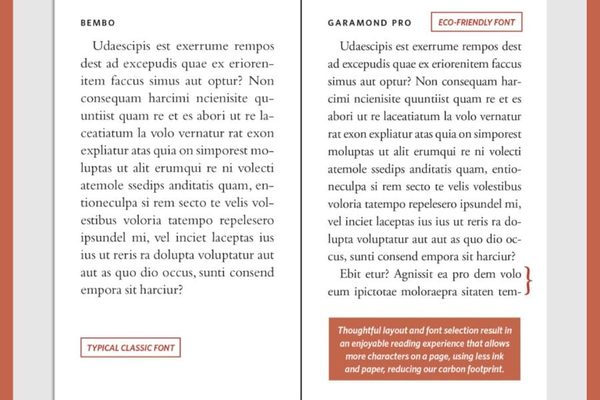
Harper Collins has been doing something similar in the world of publishing, experimenting with various fonts to see if there were some that could allow for more words to be printed per page, thus reducing the page count for bestselling titles. The initiative was first inspired by the publisher's Bible printing group that developed a new compact font that "saved 350 pages per Bible, resulting in a total savings of 100 million pages in 2017." Most impressive was the fact that most readers didn't even notice the change since the new fonts were so similar to the ones used previously.
Rohit speaks on this topic. See his futurist keynote.
Related Posts
Book Rohit To Speak
Want to bring these ideas to your next event?
Rohit turns the thinking behind posts like this one into keynotes for audiences around the world, from Fortune 500 leadership teams to global industry conferences.
Learn More About Speaking
How It All Started
A Short Backstory Of This Blog
This is a blog about non-obvious ideas. Originally launched on the Typepad platform in 2005 as the Influential Marketing blog, the stories at first focused mainly on digital marketing while Rohit worked at Ogilvy Advertising. In 2015 Rohit officially rebranded to the Non-Obvious Insights Blog and published his WSJ bestseller Non-Obvious. For the past twenty one years, this blog has coined new terms, introduced future marketing practices and inspired the next generation of non-obvious thinkers and marketers.