






APRIL 4, 2024|ARTIFICIAL INTELLIGENCE
How AI Is Making April Fool's Day Easier ... and Harder
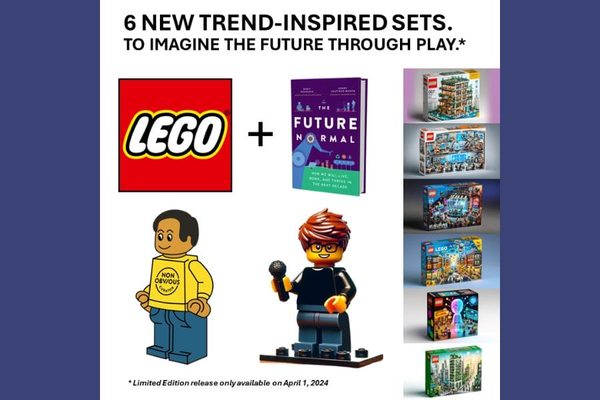
This week my Future Normal co-author Henry and I announced a bold new partnership with LEGO to create a series of limited edition future-thinking sets inspired by trends from our book. The idea was that people could imagine a better future through play. The idea, as my post shared, was just one element of our "bold two decade-long series of Non-Obvious partnerships with brands that have four letters in their name. Based on a decade of intense research, we have determined that four is the optimal number of letters to have in a brand name to allow for maximum global reach."
The post went on to share that we're also developing a "zero-G edition of the book with NASA" and a "dynamic pulse-activated payment method with VISA." The fact that the announcement came on April 1st struck some people as oddly convenient but it was interesting how many people mistook our little slice of fun on April Fool’s Day for a real announcement.
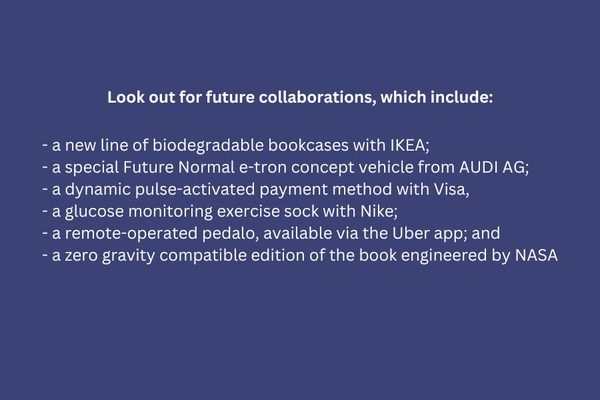
The day after, Henry shared a recap noting how we architected the joke as well as the growing sense of guilt we felt as our friends celebrated the announcement as if it were real. As he shared, "being taken in by fake content is less of a question of capabilities, but capacity. Social media is shallow – we exist in a sense of continuous partial attention." This matters for more than just the future of how we may all be able (or unable) to understand a joke. When everything can be fabricated, trust shifts to the individual rather than the content. People will increasingly believe something because of who shares it, and less because of what it is.
From that lens, perhaps we should have done better. Or skipped the joke altogether. What do you think? If you saw this, did you believe it and how did you feel when you discovered it was a joke?
Related Posts
Book Rohit To Speak
Want to bring these ideas to your next event?
Rohit turns the thinking behind posts like this one into keynotes for audiences around the world, from Fortune 500 leadership teams to global industry conferences.
Learn More About Speaking
How It All Started
A Short Backstory Of This Blog
This is a blog about non-obvious ideas. Originally launched on the Typepad platform in 2005 as the Influential Marketing blog, the stories at first focused mainly on digital marketing while Rohit worked at Ogilvy Advertising. In 2015 Rohit officially rebranded to the Non-Obvious Insights Blog and published his WSJ bestseller Non-Obvious. For the past twenty one years, this blog has coined new terms, introduced future marketing practices and inspired the next generation of non-obvious thinkers and marketers.