








MAY 21, 2021|REAL ESTATE & HOME BUILDING
How Parking Destroys Cities
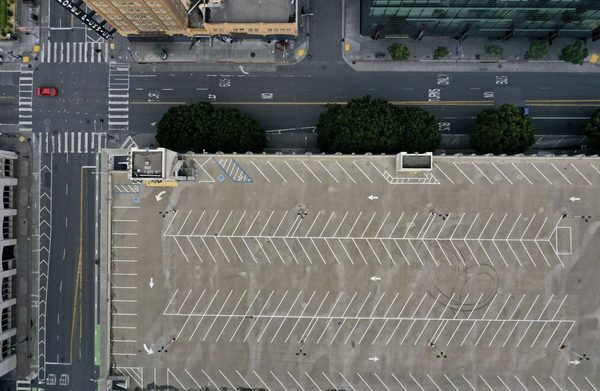
For many new buildings across the world, there is a requirement that a certain number of parking spaces be included based on the number of potential tenants the building will hold. As urban planning professor Michael Manville argues, this parking requirement means buildings are a lot more costly to build and keep great projects from getting funded and approved. In LA, for example, out of the $274 million budget for building the Walt Disney Concert Hall, the underground parking structure cost nearly $100 million.
Here’s the problem in a nutshell:
“A commercial requirement of one parking space per 300 square feet means developers will put new retail in a car-friendly, pedestrian-hostile strip mall. And a requirement of one parking space per 100 square feet for restaurants means the typical eating establishment will devote three times as much space to parking as it will to dining.”
So how can we solve this? Manville suggests fixing this would be relatively simple: “it shouldn’t be illegal to put up a building without parking and market it to people without cars.”
Related Posts
Book Rohit To Speak
Want to bring these ideas to your next event?
Rohit turns the thinking behind posts like this one into keynotes for audiences around the world, from Fortune 500 leadership teams to global industry conferences.
Learn More About Speaking
How It All Started
A Short Backstory Of This Blog
This is a blog about non-obvious ideas. Originally launched on the Typepad platform in 2005 as the Influential Marketing blog, the stories at first focused mainly on digital marketing while Rohit worked at Ogilvy Advertising. In 2015 Rohit officially rebranded to the Non-Obvious Insights Blog and published his WSJ bestseller Non-Obvious. For the past twenty one years, this blog has coined new terms, introduced future marketing practices and inspired the next generation of non-obvious thinkers and marketers.