







MARCH 28, 2024|TRAVEL & TOURISM
The Good and Bad of Planning Your Next Trip Using AI Travel Tools
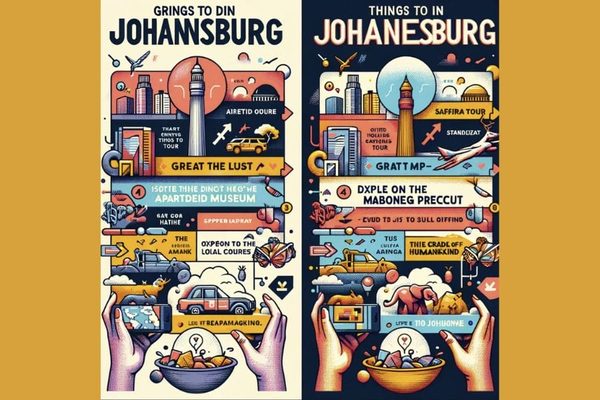
The promise is appealing. Just put your desired holiday destination into an AI travel planning tool and it can quickly generate a sample itinerary with all the must-visit sights from a certain destination. Yet as one journalist found when doing a test of AI as a trip planning assistant, there are some pretty big tradeoffs you'll need to be willing to make.
To start, there is the obvious limitation that AI will likely use outdated information to build the itinerary - which means restaurants that have gone out of business or incomplete information about opening and closing times. Also, AI will often omit insights about destinations that may be inaccessible for those with disabilities or those that offer adjusted seasonal experiences.
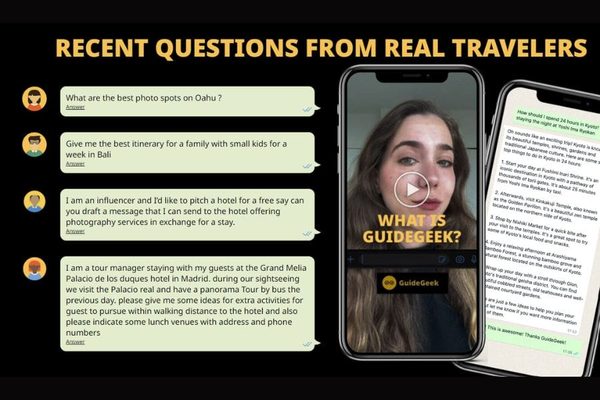
Not to mention AI-generated itineraries are mostly just built by scraping information from content already created by notable travel sites like Lonely Planet or Fodors anyway ... so why not start with those platforms instead? Bottom line: definitely try and do some research on AI tools for an upcoming trip if you want, but the best travel insights at the moment still come from people who have been there and human travel professionals.
NOTE- The featured image was AI generated.
Related Posts
Book Rohit To Speak
Want to bring these ideas to your next event?
Rohit turns the thinking behind posts like this one into keynotes for audiences around the world, from Fortune 500 leadership teams to global industry conferences.
Learn More About Speaking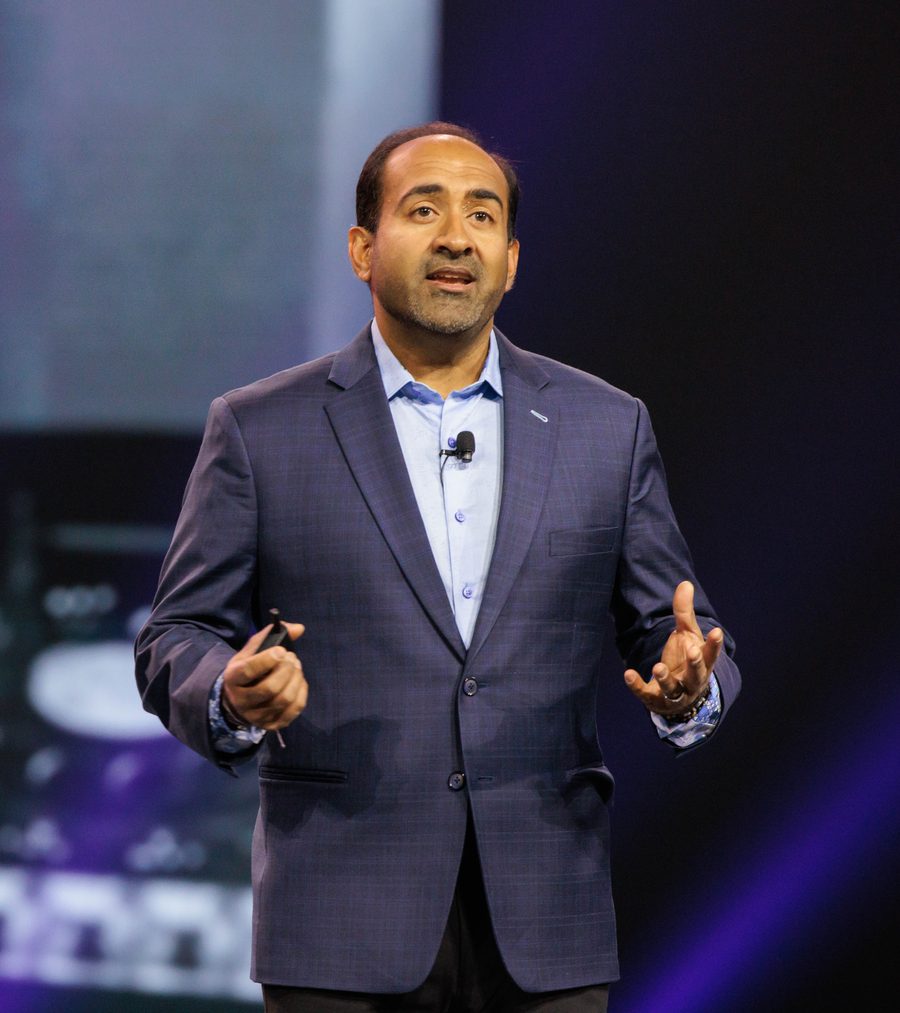
How It All Started
A Short Backstory Of This Blog
This is a blog about non-obvious ideas. Originally launched on the Typepad platform in 2005 as the Influential Marketing blog, the stories at first focused mainly on digital marketing while Rohit worked at Ogilvy Advertising. In 2015 Rohit officially rebranded to the Non-Obvious Insights Blog and published his WSJ bestseller Non-Obvious. For the past twenty one years, this blog has coined new terms, introduced future marketing practices and inspired the next generation of non-obvious thinkers and marketers.