







JUNE 14, 2021|ADVERTISING
YouTube Bans Election Ads On Its Homepage But Misses The Point
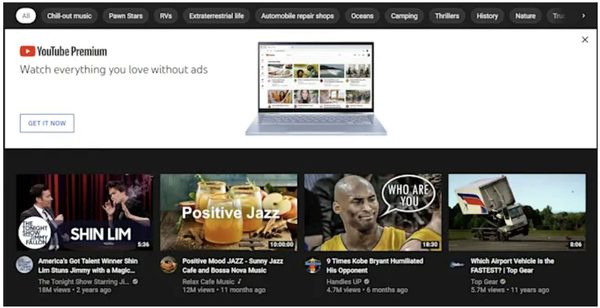
There has been a lot of discussion among advertising and marketing media about the recent move from YouTube to ban certain types of ads from the highly visible top spot on the YouTube homepage. Honestly, it’s a bit like going on a diet by promising yourself you won’t eat a full size donut, only a dozen smaller donut holes instead. In other words ... meaningless. If an ad is misleading or outright lying or selling an addictive product and you’re going to ban it, then ban it everywhere.
When it comes to political ads, I have long believed that they should be completely banned, but since they are so profitable, that’s unlikely. A compromise that more platforms could consider is to ban all political ads that mention an opponent (ie, all attack ads). It’s an easy common sense fix to the plague of false, misleading and evil political ads we typically see. After all, Adidas can’t run an ad talking about how much Nike sucks (or hire a shady Super PAC to do it for them) so why should political campaigns get away with the same thing? The world would be better if we forced politicians to talk about themselves and their plans instead of paying to tell lies about their opponent.
Rohit speaks on this topic. See his marketing keynote.
Related Posts
Book Rohit To Speak
Want to bring these ideas to your next event?
Rohit turns the thinking behind posts like this one into keynotes for audiences around the world, from Fortune 500 leadership teams to global industry conferences.
Learn More About Speaking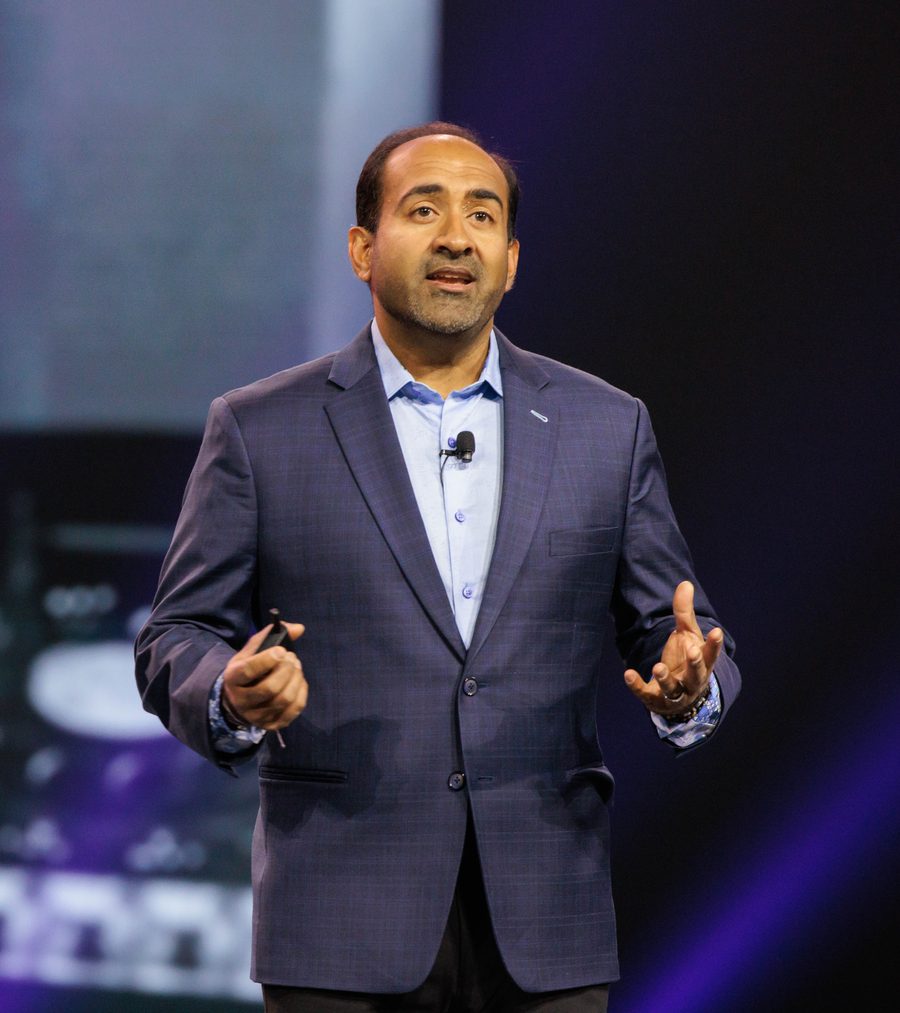
How It All Started
A Short Backstory Of This Blog
This is a blog about non-obvious ideas. Originally launched on the Typepad platform in 2005 as the Influential Marketing blog, the stories at first focused mainly on digital marketing while Rohit worked at Ogilvy Advertising. In 2015 Rohit officially rebranded to the Non-Obvious Insights Blog and published his WSJ bestseller Non-Obvious. For the past twenty one years, this blog has coined new terms, introduced future marketing practices and inspired the next generation of non-obvious thinkers and marketers.